(450) 434-4000
DRN Industriel
FR

Custom engineered process systems and projects
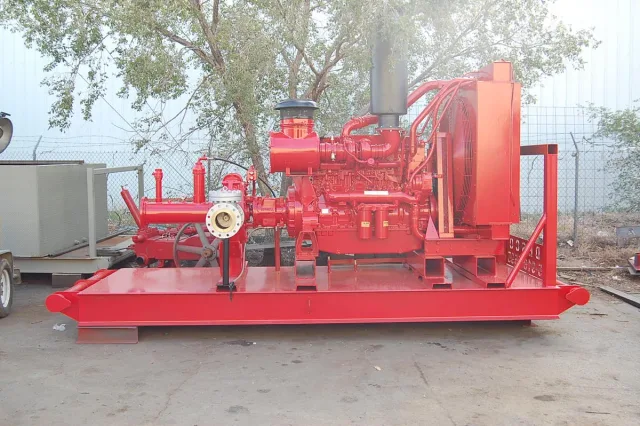
There is a point where a catalogue search stops returning anything. The liquid is abrasive and corrosive at once, the plant room imposes a height the vertical range does not respect, the station has to restart on its own after an outage, or three machines have to run together without fighting each other. No standard model answers, and buying the nearest one commits you to the compromise for the life of the installation.

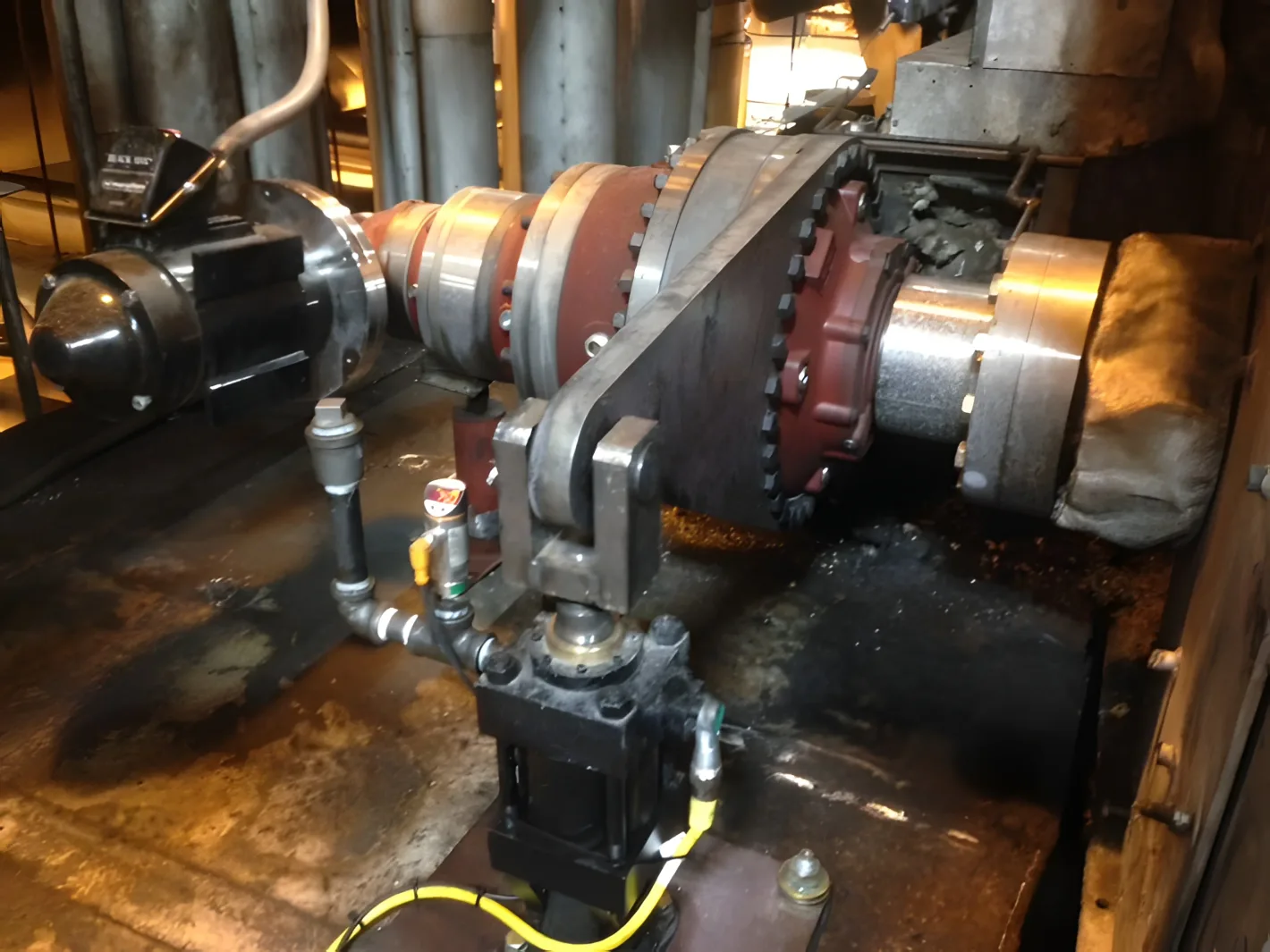
DRN Industriel builds custom engineered solutions for exactly these cases, and sizes the whole station rather than one machine in isolation. Two people work full time on projects, and complete packaged process systems are among what we assemble and overhaul in Mirabel.


Where a station assembled piece by piece comes apart

Every component can be right while the station is wrong. Two identical pumps in parallel on one header rarely share the flow evenly: the one nearest the discharge takes more, works to the right of its curve and heats up, while the other works to the left and deflects its shaft. A control valve sized on the nominal flow closes down at reduced throughput and becomes the dominant loss in the circuit. None of that is readable on the data sheets taken one at a time.

What a project starts from

We start from the process rather than from the machine: what goes in, what comes out, at what rate and across what range. To that we add the physical constraints of the room, the supply available, the materials the fluid imposes and how the station is meant to be run. We then size the machines, the accessories and the protections as one set, so that behaviour at reduced throughput and at start-up is decided during design rather than discovered at commissioning.

The condition nobody thinks to give you

A station is nearly always specified on its nominal duty and nearly never on what it will do for three quarters of its life. A circuit designed around a single point works badly everywhere else, and most installations spend their lives everywhere else. Tell us the range and how often it starts, not only the design point.

Describe the process, not the machine

Tell us what goes in, what comes out, the operating range and the constraints of the room. We come back with a sized system and the lines that make it up.