(450) 434-4000
DRN Industriel
FR

Assembly, installation and commissioning of pumps
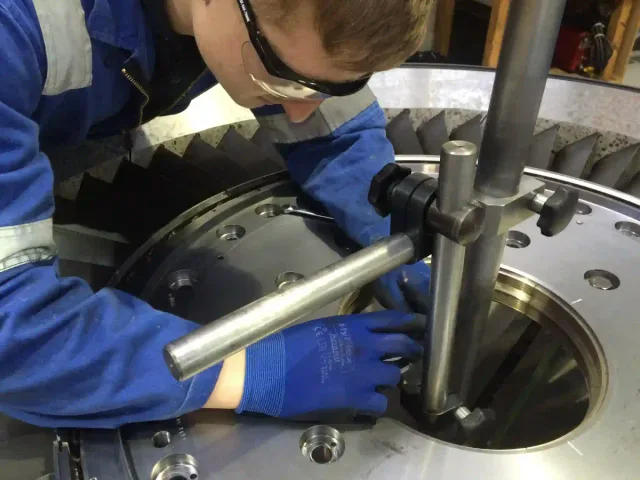
A new machine that destroys its seal inside the first year almost never has a manufacturing defect. It was shimmed onto a foundation that was not flat, coupled with a misalignment that was acceptable cold and is not once the line is hot, or connected to pipework that pulls on the flanges. Most of the service life of the equipment is decided during its first hour of running.

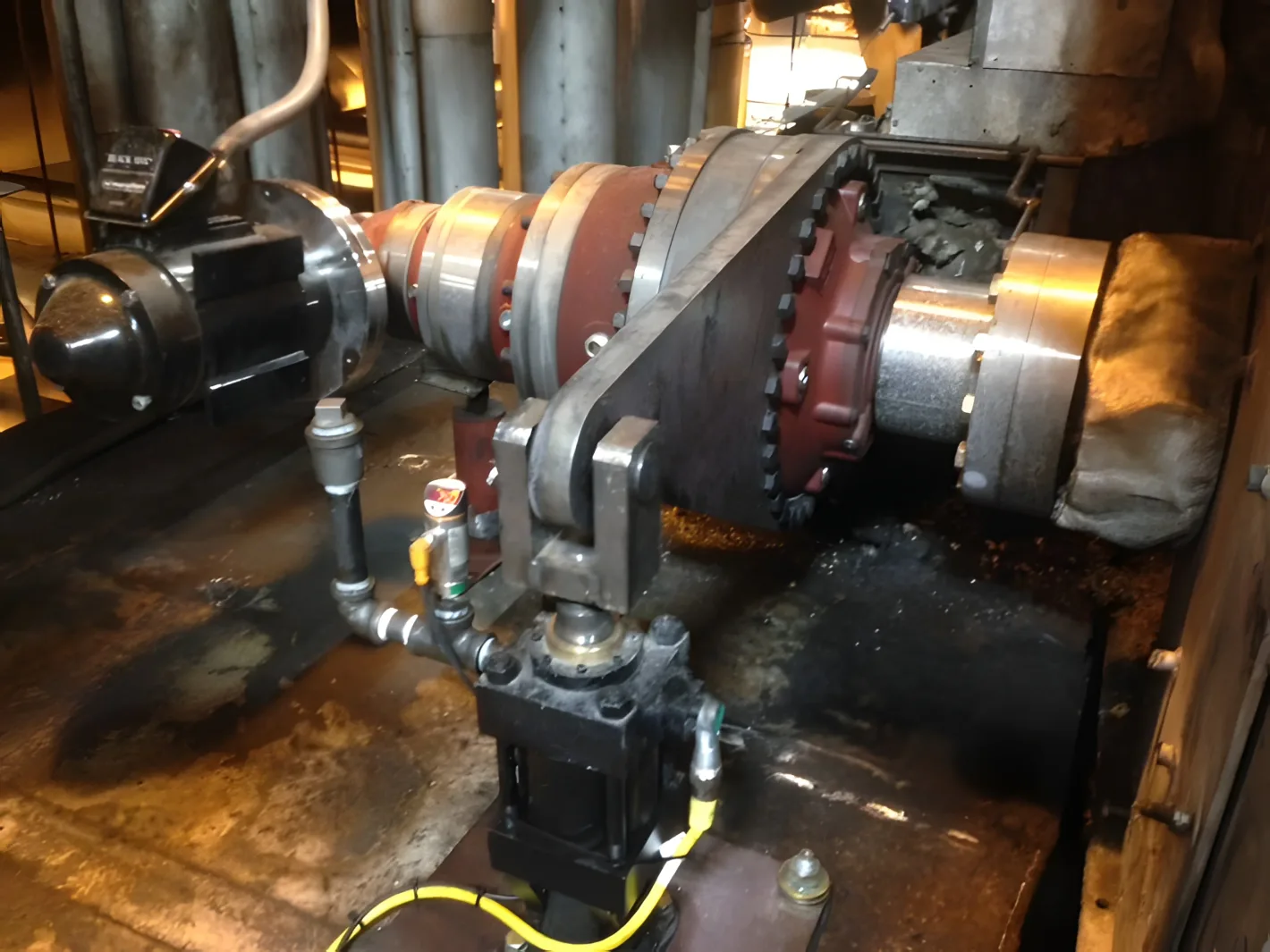
Our technicians assemble, install and commission this equipment out of our Mirabel workshop, and we hold the wear parts for the most requested models on the shelf. Pump assembly and repair is the form in which this work is asked for most often.
The faults that only appear once it is hot

A coupling aligned cold is not necessarily aligned in service. A discharge line that climbs sixty degrees grows, and if it is bolted up with no anchor and nothing to absorb the movement, it shifts the pump by a few tenths of a millimetre. That is enough to load the bearings and open the seal faces. In the same way, a foundation that is not flat distorts the frame as the hold-down bolts come up, and the shaft turns bent while every part on it is new and within specification.

What commissioning actually covers

The machine is assembled and checked before it leaves: clearances, direction of rotation, torque figures, seal fitting. On site the frame is shimmed flat, the coupling is aligned, the pipework is connected without strain on the flanges, and the alignment is taken again once the line reaches working temperature. At start-up we record pressures, absorbed current and bearing temperatures, and those readings become the baseline every later deviation is read against.

The start-up readings nobody keeps

With no readings taken at start-up there is nothing to compare against. Three years later nobody can say whether the machine has lost ten percent of its flow or never produced more than that. The commissioning sheet costs half an hour and governs every maintenance decision taken afterwards.

Tell us what has to go in

Give us the machine, the room and the pipework already there. We come back with what the installation needs and what to check before the first start.