
(450) 434-4000
DRN Industriel
FR

Industrial products for the mining sector
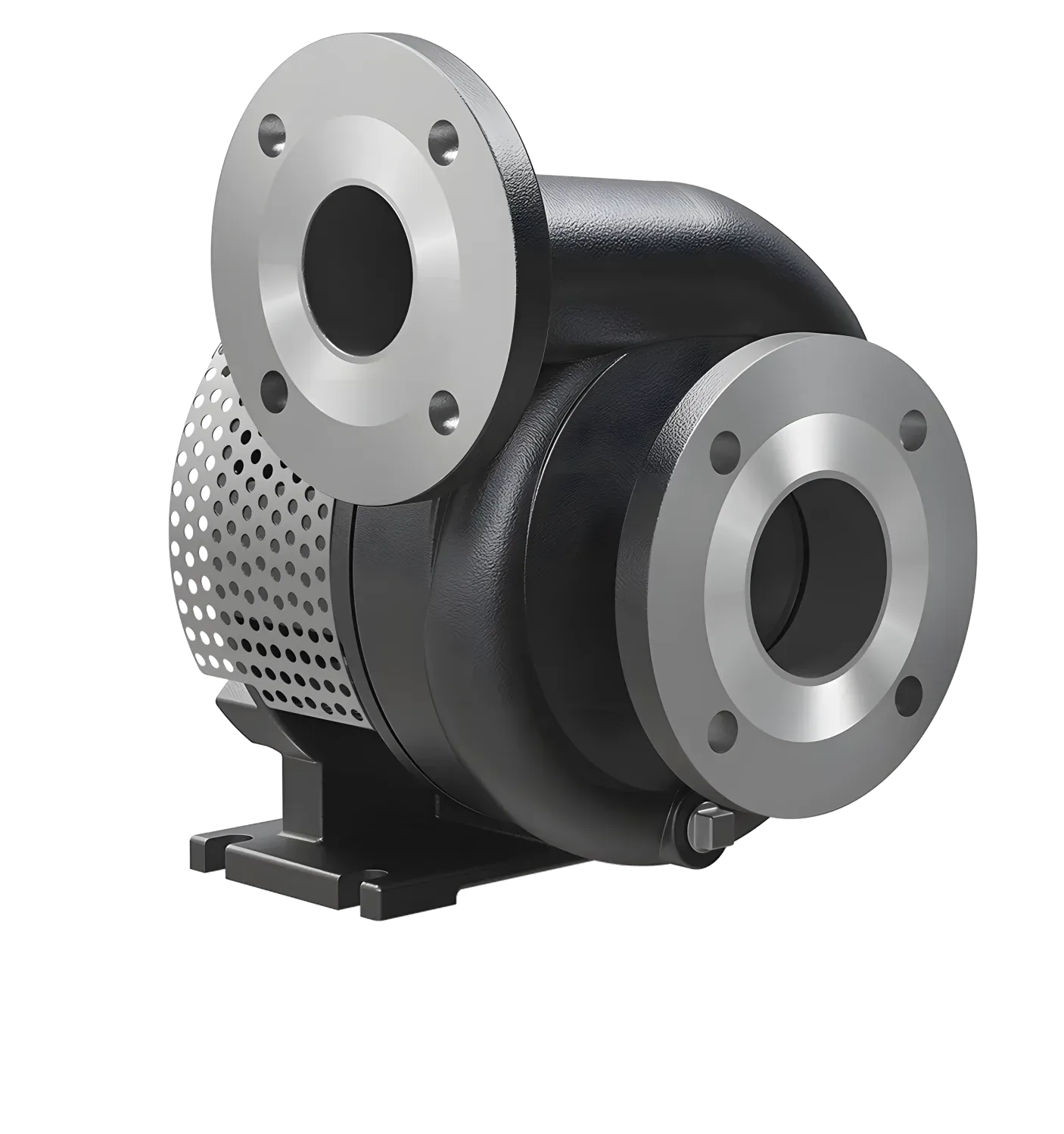
DRN Industriel has been the distributor of process equipment for mine sites across Quebec and Eastern Canada for more than 35 years. Abrasive ore, heavy slurries and mine water wear standard equipment out long before its service interval, and every unplanned stoppage costs production hours. The duty decides the equipment, not the catalogue.

You are working on one duty at a time, whether that is ore processing, transfer, lift and dewatering, or underground ventilation. This page groups the products DRN carries for each of those duties, from slurry pumps through agitators, valves, heat exchangers, fans and solids handling equipment. Our technical specialists answer within the hour and stock ships the same day.
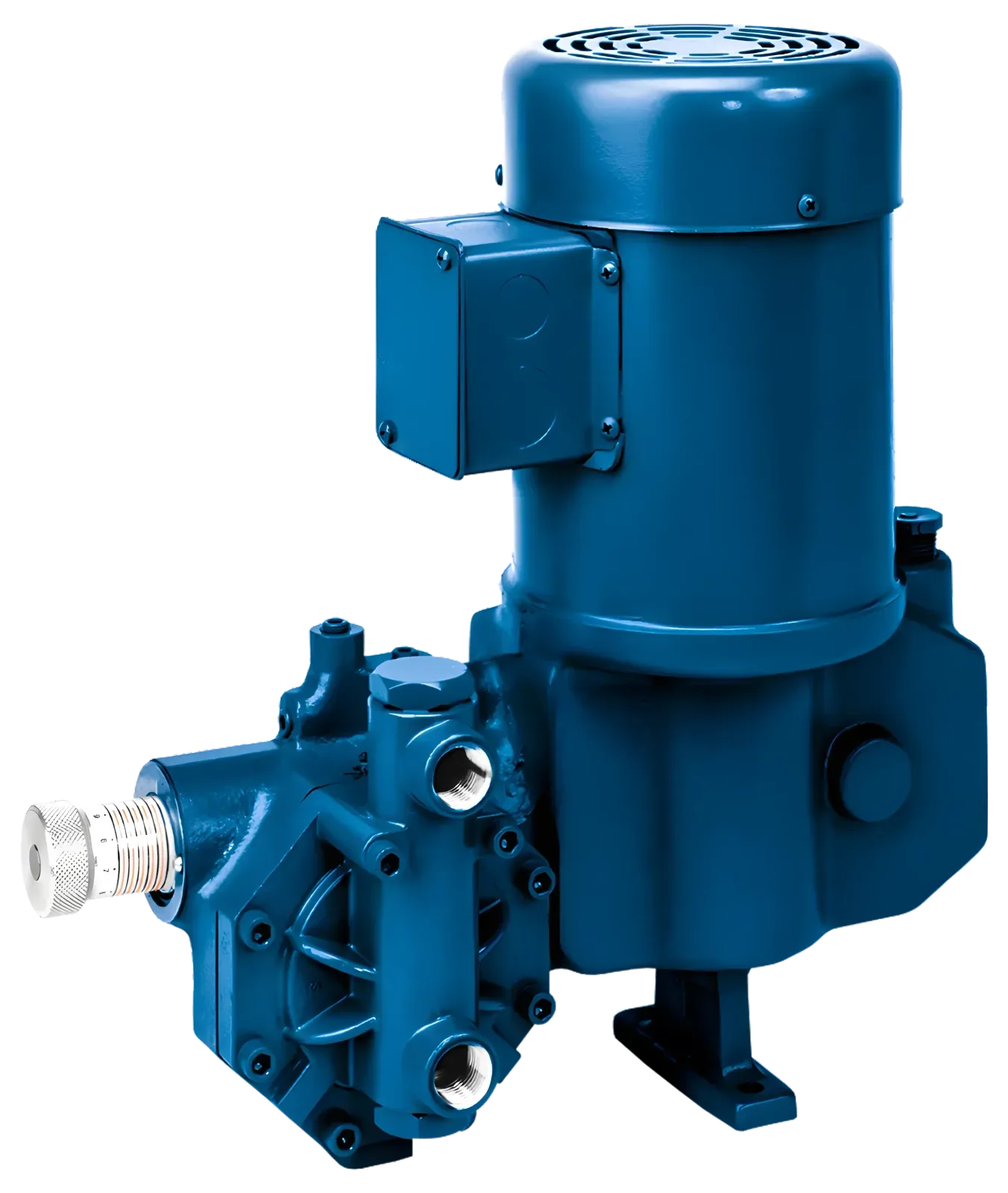
What abrasive ore demands of your equipment

An ore slurry carries hard suspended particles at speed. Those particles cut impellers, casings and packing by abrasion, while coarse solids block any passage built too narrow. A clear water pump put on this service loses its performance in a matter of weeks. Equipment built for abrasive service holds its hydraulic profile far longer, because the wear material and the impeller geometry were chosen for that ore.

The four duties on a mine site

A mine site reads as four distinct duties. Ore processing moves abrasive slurry, from grinding through thickening. Transfer and dosing move reagents, oils and process water in small volumes. Lift duty clears mine water loaded with debris. Ventilation and handling move air and dry solids. Each duty sets its own constraint, and the questions below take them one at a time.

Rubber impeller or hard metal impeller

The same pump model holds its service or wears out early depending on the material chosen for its impeller and casing, and the mistake only shows at the first teardown. Rubber takes rounded fines at moderate speed well, but it cuts on angular particles and coarse top sizes. Hard metal holds those conditions and tolerates temperatures rubber will not. Particle size, solids percentage, pH and tip speed decide that choice.

What DRN brings to a mine site

DRN Industriel has sized, selected and troubleshot process equipment for more than 35 years, and holds a broad inventory of pumps and parts in stock, including rare and older components. Most orders ship the same day, with 24 to 48 hour delivery across North America. Our technical specialists answer within one hour during business hours, in Quebec and Eastern Canada.

What if the part is no longer made?

An impeller that is out of catalogue, or a pump two generations back, can hold a whole line down. DRN keeps rare and older components in inventory, and our specialists identify the part from the nameplate or the original drawing. Sizing, selection and wear parts for mine duty are covered on our mining industry page.

Common questions about mine site equipment

The processing circuit runs grinding, classification, flotation and thickening in sequence, and every stage moves a different slurry. Warman AH type centrifugal slurry pumps hold the hardest duties, cyclone feed and tailings lines, because their lined casing and thick impeller are built to wear and then be replaced without touching the pipework. Wemco Torque-Flow vortex pumps take over wherever the sludge is heavy, stringy or gassy, since the recessed impeller lets solids cross the volute instead of passing between vanes. On clear lines, thickener overflow or recycled process water, a standard centrifugal pump is enough and asks less of maintenance.

Pumping is not alone on that circuit. Tank agitators keep the pulp in suspension through leaching and conditioning vessels, and the impeller is chosen from the ore density and its settling rate. Vacuum pumps serve belt filters and filter presses on concentrate dewatering. Shell and tube exchangers hold the temperature of leach circuits, where reaction kinetics depend directly on the heat kept in the tank. Each of those four families answers a different part of the same circuit.

In practice, start by finding the two or three duties that consume the most wear parts over a year, because those are the ones that set the maintenance budget for the whole concentrator. Our technical specialists can take the curve of the pump already installed and check whether it still works near its best efficiency point. A duty that has drifted to the right of its curve wears its impeller faster than it moves ore.

Away from the main slurry lines, a mine site moves reagents, flocculants, oils, cleanout sludge and process water in small volumes, often far from any electrical supply. Blacoh Sentinel type air operated diaphragm pumps cover that duty, because they self prime, run dry without damage, survive being submerged and are throttled by air pressure alone. An operator sets one on a cart, couples it to the compressed air network that is already there, and starts it without an electrician and without a control loop.

Dosing asks for something else. Diaphragm metering pumps deliver a repeatable flow, trimmed by stroke and by frequency, which the operator adjusts without stopping the line, and that matters on a flotation circuit where reagent demand tracks the ore grade. For viscous sludge and thickened tailings paste, a progressing cavity pump moves the material slowly and without shear, where a centrifugal pump would simply lose suction.

On a transfer duty, the question to ask before flow is what air is available. An air operated pump consumes free air in proportion to its flow and its back pressure, and a network already loaded will stall the pump rather than the other way round. Our specialists check that alongside the selection, because a correct pump on an insufficient air network behaves exactly like an undersized one.

One rule carries this duty, let the solids pass instead of grinding them. Mine water arrives loaded with fines, sand, timber fragments and blast debris, and the sump works under a level that rises and falls without warning. A recessed vortex impeller turns back out of the volute, so debris crosses the pump without ever meeting the leading edge of a vane, and the clogging that takes a sump pump out of service overnight does not happen. Submersible pumps and recessed impeller centrifugal pumps cover the duty, from a drift sump to a surface pond.

Sizing is done on real total head, not on the depth of the sump. A long discharge column, a deep pit and a moving level give a wide operating range, and a pump chosen on one point works away from its best efficiency half the time. Seals and bearings deserve the same attention, because that is where water loaded with fines eventually gets in.

A mine sump is rarely visited, and that is exactly why the spare has to be on site already. We suggest holding the impeller, the seal and the bearing set for the underground pumps in stock, because an urgent order always arrives at the moment the drift is filling. Most parts orders ship the same day, but transit is still time nobody gets back. Stocking the part locally takes that delay off the critical path.

A drift needs fresh air at the face and a clean return at surface, and the concentrator has to pull crushing and screening dust away. Industrial centrifugal fans deliver the static pressure a long and loaded duct network demands, while axial fans give volume on short runs. Industrial blowers feed water treatment basin aeration and pneumatic conveying. On a dusty circuit the choice is made on the static pressure curve and on the blade material, because abrasive dust wears a fan wheel the way slurry wears a pump impeller.

On the dry side, pneumatic conveying and material handling equipment move concentrate, tailings and ash in a closed circuit. A closed circuit keeps the material out of the air operators breathe and removes product loss at every transfer. Dust collectors and emission control equipment finish the duty, capturing at the source rather than treating the whole building. A captured stream is also a stream that can be measured.

A ventilation network is sized on the real pressure drop of the circuit, ducting, bends and filters included, and not on the volume wanted at the face. A fan wheel chosen too far to the left of its curve surges, vibrates and destroys its bearings. For more information on choosing a wheel for dusty service, send us the nature of the dust and its loading per cubic metre.

A mine circuit isolates, diverts and modulates, and each function calls for a different valve. Full bore ball valves serve slurry line isolation, because a bore equal to the pipe diameter leaves no dead pocket where solids settle out. Reduced bore valves suit reagent dosing, where control of a small flow matters more than pressure drop. On pulp lines, a pinch valve lets solids cross an elastomer sleeve rather than a metal seat, which avoids seat wear and the jamming that follows a valve left part open.

Shell and tube exchangers answer the thermal needs of the site. A removable stainless steel bundle can be cleaned between campaigns, which matters on a fouling fluid. A cupronickel bundle stands up to brackish water and to heat recovery circuits. Material is chosen from the fluid chemistry and the temperature, and the pass arrangement from the temperature difference the duty needs. A bundle chosen on chemistry outlasts one chosen on size.

For more detail on seat and sleeve materials, it is worth giving the exact chemistry of the fluid rather than its trade name. Two circuits both called process water can sit several pH units and several tens of degrees apart, and it is that gap which rules an elastomer out. Our experts can help you draw up the list from your own process sheets. A sheet beats a trade name every time.

A leach tank that lets its pulp settle loses extraction before it loses flow, and the symptom shows in the laboratory rather than in the control room. An agitator sized for that tank keeps solids suspended through the whole volume, by holding a floor velocity above the settling rate of the coarsest particles. Axial flow impellers serve suspension duty, because they move a large volume at low shear. Radial impellers serve gas and reagent dispersion, where the job is to shear rather than to move.

Sizing starts from the tank geometry, the solids percentage, the particle size distribution and the ore density. Shaft, bearings and lining matter as much as the impeller, because a long shaft in abrasive service works in fatigue. In flotation the impeller has to disperse air into fine bubbles without breaking the aggregates already formed, and that trade off is set at the tip speed.

An agitator is rarely replaced on its own. The gearbox, the coupling and the tank mounting are part of the same assembly, and a higher performing impeller on an unchanged gearbox simply moves the failure into the gear train. Our experts can help you review the whole motor, gearbox and impeller group when a tank changes service or changes grade, rather than replacing the part that gave way first. The gain is then measured on the tank, not on the part.

A selection rests on six numbers, and four are enough to begin. Flow and total head fix the operating point. Solids percentage by weight and particle size, in particular the eighty percent passing size, decide the wear material and the tip speed that can be allowed. Solid density and slurry density correct the absorbed power. Finally pH and temperature rule out the elastomers and the steels that will not hold the fluid. Without those values a selection rests on an assumption, and the assumption is settled at the first teardown.

An existing pump curve, a nameplate or a layout drawing speed the work up a great deal, because they carry context the numbers alone do not. Our technical specialists come back with a selection within one hour during business hours. If a value is missing they name which one and why it changes the answer, rather than filling the gap with an average. Naming the gap is faster than guessing across it.

If only one of those values is missing, the most useful one to measure first is particle size, because it governs the wear material, the speed that can be allowed and the minimum passage diameter all at once. A screened sample beats a visual estimate, and a mine laboratory produces one in a few hours. Contact DRN for a technical consultation if you would rather validate the list before you raise the request.

DRN carries eight product families, and a mine site uses most of them. Industrial pumps cover slurry, transfer, dosing and lift duty. Agitators and mixers serve leaching, conditioning and flotation. Heat exchangers hold the thermal circuits. Vacuum pumps and compressors feed filtration and instrument air. Solids and wastewater handling equipment moves concentrate and tailings. Industrial fans and blowers carry underground air and basin aeration. Pump assembly and repair close the loop on equipment already in service. Between them those families reach from the crusher at the pit to the decant tower on the tailings pond.

Behind those families, it is inventory that decides the lead time. DRN holds pumps and parts in stock, including rare and older components that sites still run today, and most orders leave the warehouse the same day. Our experts can help you build the list of critical spares worth holding on site, for the duties whose stoppage costs the most production. Lead time, not the catalogue, is what usually decides a shutdown.

A mine site does not buy eight families on the same day. The most common entry point is one pump that will not hold its interval, and the conversation widens from there to the neighbouring duties that share the same ore. Browse our complete range of industrial pumps to start there, or call straight through if the stoppage is already running. The specialists who answer the phone are the same ones who make the selections.

Talk to a mining equipment specialist

Send us the particle size, the solids percentage, the flow and the head at your duty point. Our specialists come back with an equipment selection matched to that service, within one hour during business hours.